
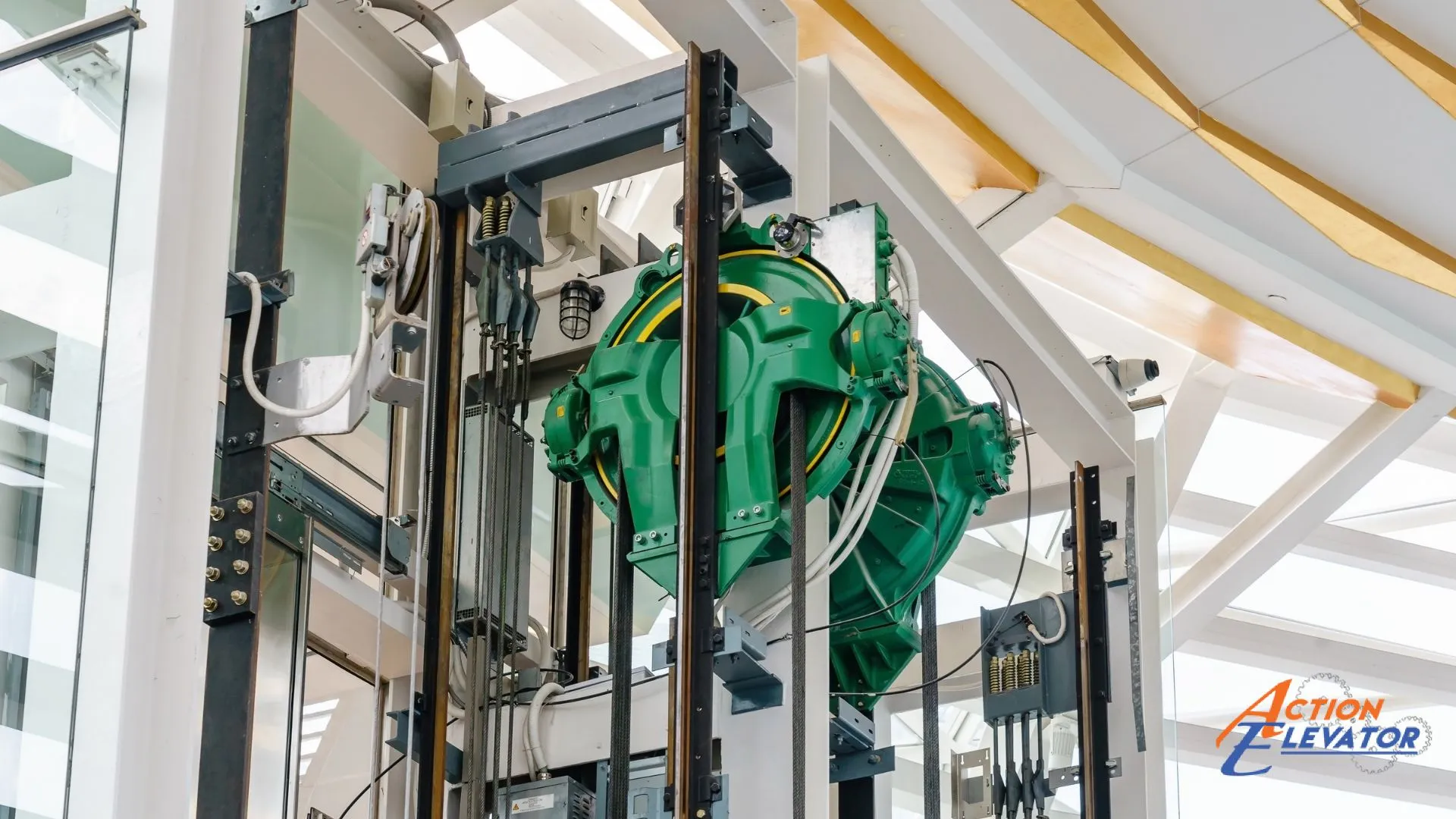
An elevator’s performance depends on several mechanical and electrical components working together, and the motor is one of the most important. Responsible for powering the elevator’s movement, the motor plays a major role in ride quality, energy consumption, and overall system reliability.
For commercial property managers, understanding elevator motor maintenance and replacement best practices can make a significant difference in managing repair costs and reducing unexpected downtime. Whether overseeing an office building, apartment complex, hospital, or mixed-use property, knowing when to schedule maintenance and when to consider replacement is an important part of elevator management.
Understanding How an Elevator Motor Works
An elevator motor provides the mechanical power needed to move an elevator cab between floors. In traction elevator systems, the motor drives a traction sheave that moves the suspension ropes or belts, allowing the elevator to travel up and down the hoistway.
Modern traction elevators typically use either geared or gearless motor systems.
-
Geared Traction Motors: These systems use a gearbox to transfer power from the motor to the drive sheave. They are commonly found in older commercial elevator installations.
-
Gearless Traction Motors: These motors drive the traction sheave directly, eliminating the gearbox. They are commonly used in modern elevator systems and can offer improved energy efficiency and reduced mechanical wear.
Hydraulic elevators operate differently. They typically use an electric motor to power a hydraulic pump, which moves fluid into a cylinder to raise the elevator cab.
Understanding which system your building uses is the first step in developing an effective maintenance strategy.
Elevator Motor Maintenance Best Practices
Routine maintenance can extend the service life of an elevator motor and allow technicians to identify developing problems before they result in major equipment failures.
Regular Inspections and Performance Testing
Elevator technicians should inspect motors for signs of mechanical wear, overheating, unusual vibration, and electrical problems.
During an inspection, technicians may evaluate motor temperature, electrical connections, bearing condition, and operating performance. They may also review fault codes from the elevator controller to identify irregularities that could indicate motor or drive issues.
Property managers should work with their elevator service provider to establish inspection schedules based on equipment age, usage, manufacturer recommendations, and applicable maintenance requirements.
Proper Lubrication and Bearing Maintenance
Bearings support rotating motor components and reduce friction during operation. Over time, inadequate lubrication or bearing deterioration can increase operating temperatures and contribute to premature motor failure.
Maintenance technicians should follow manufacturer specifications for lubrication intervals, approved lubricants, and bearing inspection procedures.
Some modern motors use sealed bearings that do not require routine lubrication. Applying unnecessary grease to these components can cause damage rather than prevent it.
Electrical System Monitoring
An elevator motor relies on consistent electrical performance to operate properly. Loose connections, insulation deterioration, voltage irregularities, and drive problems can affect motor performance.
Qualified technicians may perform insulation resistance testing, evaluate current draw, and inspect associated electrical components when appropriate.
These inspections can also identify problems with variable frequency drives, which regulate motor speed and support smooth acceleration and deceleration.
Warning Signs Your Elevator Motor May Need Replacement
Even with consistent maintenance, elevator motors eventually experience wear that can affect performance and reliability.
Commercial property managers should pay attention to several warning signs:
-
Unusual Noises: Grinding, humming, or other unfamiliar sounds may indicate bearing wear, mechanical problems, or electrical issues.
-
Excessive Vibration: Increased vibration can result from motor imbalance, deteriorating bearings, alignment problems, or related mechanical components.
-
Overheating: Repeated overheating may indicate excessive loading, ventilation problems, electrical faults, or internal motor deterioration.
-
Frequent Service Interruptions: Recurring shutdowns and motor-related fault codes may signal developing equipment problems.
-
Inconsistent Elevator Movement: Jerky acceleration, uneven operation, or difficulty maintaining normal speed may indicate problems involving the motor, drive, or control system.
These symptoms do not automatically mean an elevator motor needs replacement. A qualified elevator technician should identify the underlying cause before recommending major repairs or equipment upgrades.
Planning Elevator Motor Replacement for Commercial Buildings
Replacing an elevator motor requires careful planning, especially in occupied commercial properties where elevator access is essential to daily operations.
Before beginning the project, an elevator contractor should assess the existing equipment, determine compatibility requirements, and establish the appropriate replacement scope.
Property managers should also discuss the expected shutdown period, equipment lead times, building access requirements, and any inspections or testing required before returning the elevator to service.
For buildings with multiple elevators, replacement work may be scheduled to maintain access through other operating units. Properties with a single elevator may require temporary accessibility arrangements and advance communication with tenants.
Commercial buildings in Maryland and Washington, DC must also account for applicable elevator safety codes, permitting requirements, and inspection procedures.
Working with an experienced elevator service provider can make it easier to coordinate these requirements while minimizing disruptions to building operations.
Frequently Asked Questions
How long does a commercial elevator motor typically last?
A commercial elevator motor may operate for 20 years or longer, depending on its design, operating conditions, usage, and maintenance history. High-traffic buildings and equipment exposed to excessive heat or mechanical stress may experience faster deterioration.
Can an elevator motor be replaced without modernizing the entire elevator?
Yes. In some cases, the motor can be replaced independently if a compatible unit is available and the existing controls and mechanical equipment remain suitable. Older systems may require additional drive or control upgrades to accommodate a new motor.
How can property managers reduce downtime during elevator motor replacement?
Planning ahead is important. Property managers should coordinate equipment availability, installation schedules, required inspections, and tenant communication with their elevator contractor before taking the elevator out of service.
Schedule Professional Elevator Motor Service With Action Elevator
An aging or poorly maintained elevator motor can lead to repeated service interruptions, expensive repairs, and unnecessary disruptions for building occupants. Regular inspections and timely equipment evaluations can give property managers a clearer understanding of their elevator’s condition and future maintenance needs.
Action Elevator works with commercial property managers throughout Maryland and Washington, DC to address elevator maintenance, repair, and equipment replacement needs.
Concerned About Your Elevator Motor’s Performance?
Contact Action Elevator to discuss your equipment and determine the appropriate next steps for your building.

Leslie Durakis is the Director of Sales and Marketing at Action Elevator, where she helps build strong relationships with property managers, building owners, and industry partners throughout Maryland, Washington, D.C., and Northern Virginia. With more than a decade of experience in the elevator industry, Leslie brings a strong background in sales, account management, and customer service. She joined Action Elevator in 2021 and plays an active role in supporting the company’s continued growth and commitment to dependable elevator service.